


When Hunger Bites, Unity Responds: MaDRA’s Intervention in Ntcheu
By Shaffie A. Mtambo
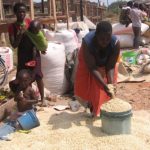
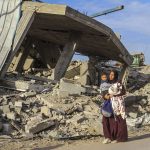
The lean season in Malawi is never just a calendar phase. It is a lived experience — one that stretches households to the brink long before the next harvest arrives. This year, the pressure has been heavier. With over four million Malawians facing acute food insecurity during the 2025/26 lean season, hunger is no longer a distant rural statistic. It is a national concern.
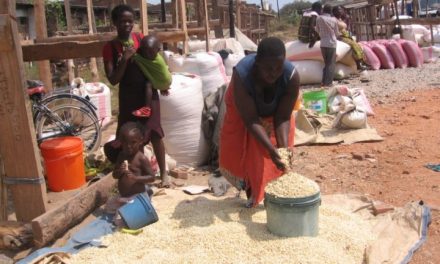
In Ntcheu District, that reality is visible in empty granaries, shrinking meal portions and anxious parents calculating how to stretch the next bag of maize. It is against this backdrop that Muslim Disaster Relief Aid (MaDRA) stepped forward, not merely as a charity, but as a coordinated response rooted in solidarity.
MaDRA is a collective platform uniting Muslim charitable organisations and community institutions to complement government disaster response efforts. Its formation reflects a recognition that in moments of crisis, fragmented efforts are insufficient. Unity multiplies impact.
Responding to the call of the Malawi President Professor Arthur Peter Mutharika for collective national action, MaDRA launched an appeal in December 2025 with an ambitious target of MWK 1 billion. To date, nearly MWK 600 million has been mobilised in cash and in-kind contributions — a testament to public trust and communal responsibility.
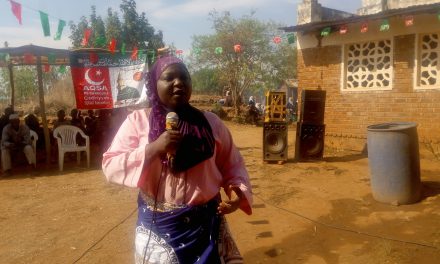
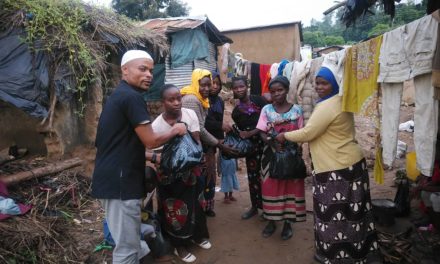
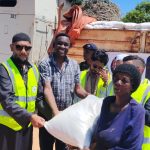
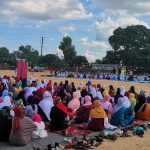
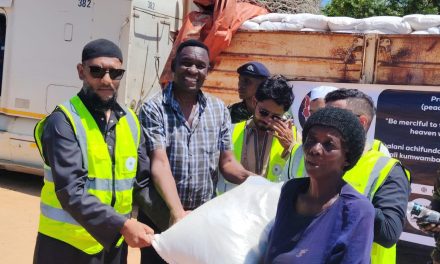
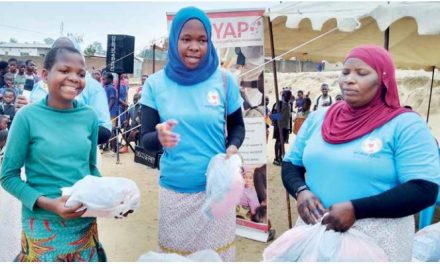
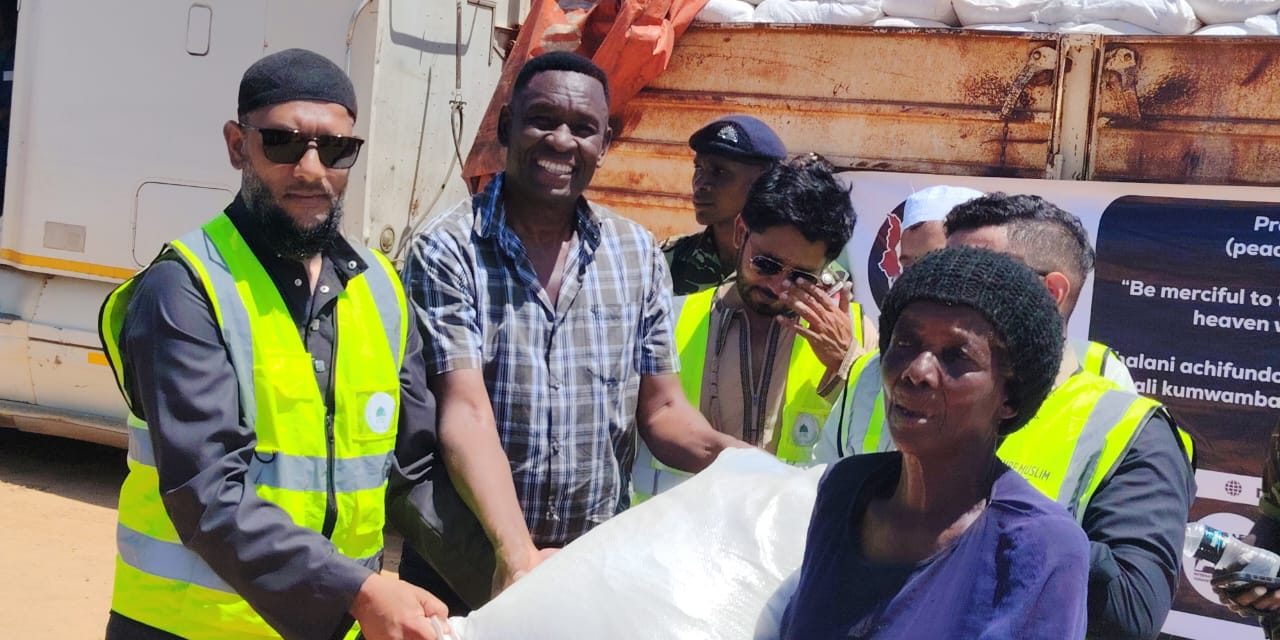
In Ntcheu, families gathered not merely to receive aid, but to reclaim a measure of stability. Each household was provided with a relief package comprising 20 kilograms of maize flour, five packets of soya pieces, one kilogram of beans, one kilogram of salt and MWK 5,000 in cash. The inclusion of a cash component reflects a more thoughtful approach to relief — acknowledging that hunger is rarely an isolated problem. Milling costs, transport, soap and other household necessities often compete with food for limited resources.
Across the country, MaDRA partners have distributed 7,000 Food and Seed Relief Packs in districts considered high risk, including Thyolo, Mulanje, Machinga, Chikwawa, Balaka and Ntcheu. Based on an average household size of four, the intervention has reached an estimated 28,000 individuals.
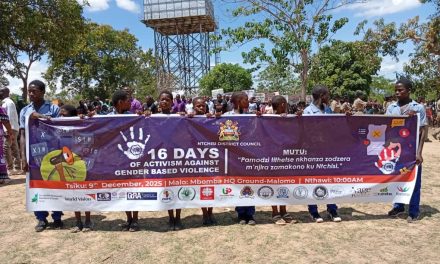
What distinguishes this intervention is not only the scale, but the structure. All the distributions were conducted in collaboration with traditional authorities, local councils and the Department of Disaster Management Affairs (DoDMA). In an environment where accountability in relief distribution is often questioned, this coordination strengthens transparency and ensures that assistance reaches those most in need.
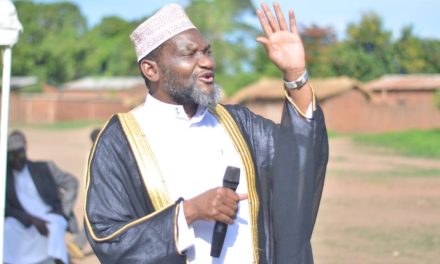
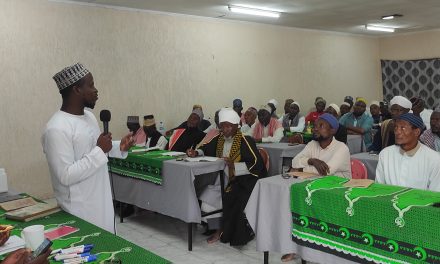
Speaking during the distribution, MaDRA Director of Communications and Public Relations, Ibrahim Omar Mataya, emphasised that the initiative was driven by urgency. Hunger, he noted, is not abstract. It is present in communities across the country, demanding immediate response.
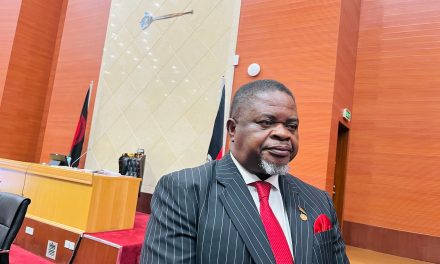
Member of Parliament for Ntcheu Central and Deputy Minister of Homeland Security, Norman Chisale, cautioned beneficiaries against selling relief food items received, urging households to prioritise consumption to protect children and the elderly.
For Group Village Headman Nsiyaludzu, the situation remains critical. He described many families in his area as struggling to secure daily meals and appealed for continued support from humanitarian organizations and well-wishers.
As Malawi navigates economic strain and climate-related shocks, interventions, such as MaDRA’s, offer more than temporary relief. They reflect a deeper principle: that collective responsibility remains one of the country’s strongest safety nets.
In times of scarcity, unity becomes nourishment.