








When Celebration Ends, Work Begins.

By the Managing Editor
Malawi stands once again at the crossroads of hope and expectation. The dust of elections has barely settled, and the people have spoken decisively—removing the Malawi Congress Party (MCP) from the helm of power and ushering back Professor Arthur Peter Mutharika and his Democratic Progressive Party (DPP). With that decision came renewed expectations, cautious optimism, and the unspoken question that now echoes across the nation: Will this new administration truly deliver the change it promises?
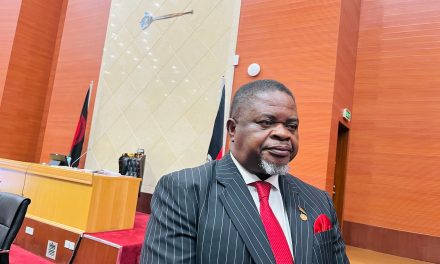
Barely days after his swearing-in, President Mutharika moved swiftly to form what he called a “partial cabinet,” a structure that has already ignited political debate. The appointments include familiar faces and loyal allies, but also some notable surprises—such as the return of the Second Vice Presidency, now occupied by Enock Chihana, and the creation of a Minister of State position under Alfred Gangata, a young figure whose appointment the President described as an investment in the future generation of leadership.
The inclusion of ministries like Finance, Economic Planning and Development, and Foreign Affairs in the first round of appointments signals that the President intends to stabilize the economy and reposition Malawi on the diplomatic stage. Yet, the absence of key ministries such as Health, Education, and Agriculture from the initial lineup raises questions about the government’s immediate priorities.
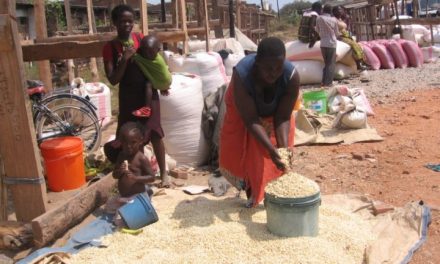
Already, small ripples of change have been felt. The price of maize, a crucial staple in every Malawian household, has dropped from a pre-election high of K75,000 per 50kg to around K38,000—a relief to many struggling families. However, the rise in fuel prices during the transition week has reminded citizens that promises alone cannot sustain livelihoods. The real test lies in consistent policy action and economic discipline.
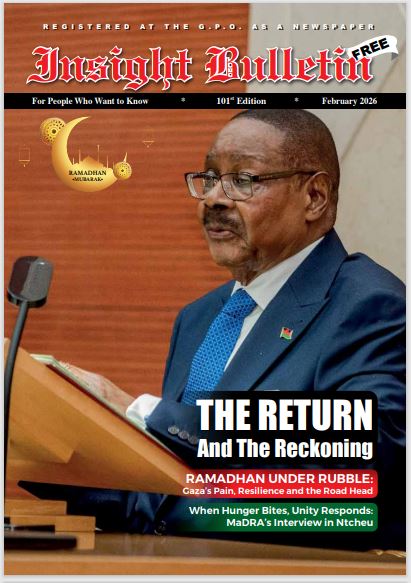
In his inaugural speech, President Mutharika struck a tone both assertive and cautious. He vowed to wage an uncompromising war against corruption, warning that any public officer caught in graft will be dismissed immediately. “I have come back to rescue Malawians,” he declared, “and to lay a solid foundation for the youth of this nation.” It is a vision that resonates—but one that demands not only rhetoric, but visible reform.
Malawians, especially the youth, are watching closely. They want to see jobs, access to education, fair distribution of opportunities, and a government that listens rather than lectures. They expect transparency, not patronage; action, not endless speeches. The people have entrusted this administration with the weight of their hopes, and the months ahead will reveal whether this government has indeed returned to serve—or simply to rule.
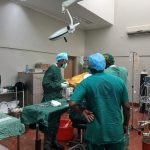
Beyond politics, October carries a different, yet equally urgent message: it is Breast Cancer Awareness Month. As the nation debates its political future, it must not lose sight of the silent battles being fought in homes and hospitals across Malawi. Too many women continue to die due to late detection and lack of access to treatment.
The story of breast cancer is not just about disease—it is about resilience, awareness, and compassion. Encouraging self-examinations, routine checkups, and community support systems must remain part of our national conversation. Encouragingly, there are signs of progress: Malawi has witnessed increased advocacy for early screening, and even the private sector has begun stepping forward. Notably, business magnate Dr. Thom Mpinganjira has opened a cancer hospital—a monumental step toward improving access to specialized care in the country.
As a nation, we must understand that the fight against cancer is a collective one, just as the fight against poverty, corruption, and injustice is. Both require consistency, honesty, and shared responsibility.
This month’s edition of The Insight Bulletin captures that spirit of vigilance and reflection. From the shifting political landscape to the personal struggles of cancer survivors, it calls upon every reader to engage—intelligently, critically, and compassionately.
The questions before us are profound: Can President Mutharika’s government rebuild public trust where it has been eroded? Will it transform the energy of political victory into meaningful national progress? And as we observe Breast Cancer Awareness Month, can we as Malawians transform awareness into real action—so that no life is lost for lack of care or information?
Time, as always, will tell. But for now, Malawi stands ready—watching, hoping, and waiting for leadership that matches the people’s faith.