




















The Bitter End of Lujeri: When a Tea Estate Withers, a Community Bleeds
By Haroon Mia.
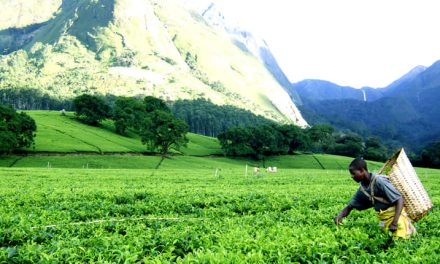
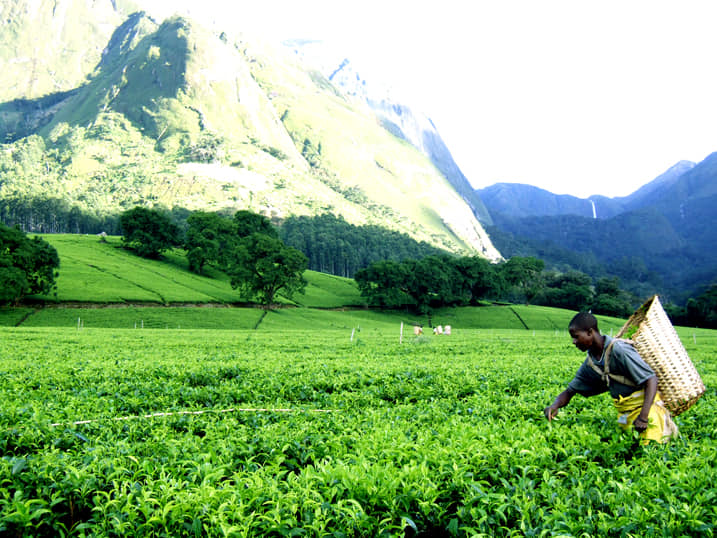
In the lush foothills of Mount Mulanje, where tea leaves once danced in the morning mist, silence now settles like dust. The closure of Lujeri Tea Estate—one of Malawi’s most iconic agricultural institutions—has left thousands of families in economic and emotional freefall. This is not merely the end of a business. It is the unraveling of a legacy.
🌿 A Century of Promise
Established in the early 20th century, Lujeri Tea Estate was more than a plantation. It was a pillar of Malawi’s export economy, contributing over 22% of the nation’s total tea exports. Its processing factories and hydroelectric turbines powered not just production, but progress. By 2007, the estate had expanded its network of smallholder farmers from 1,100 to over 6,000—many of whom relied solely on tea for survival.
Lujeri’s reach extended far beyond its boundaries. It supported schools, clinics, and local suppliers. It sustained livelihoods, nurtured dignity, and anchored entire communities.
👨👩👧👦 The Human Cost
The estate’s suspension of operations has triggered a cascade of hardship:
- Over 10,000 workers and smallholder farmers have lost their primary income
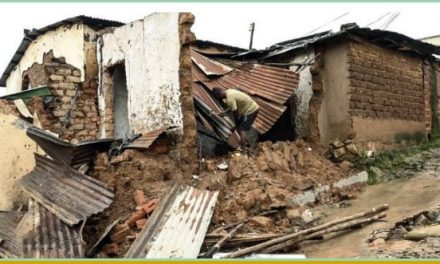
- Thousands of dependents—children, spouses, and elders—now face food insecurity and school dropouts
- Local suppliers of groceries, transport, and services have lost their largest client
- Casual laborers, domestic workers, and estate staff are now unemployed
- Faith-based and community organizations once supported by the estate are struggling to fill the gap
As one smallholder farmer shared:
“Selling tea has been part of our lives and the only means for our survival. We buy food, pay school fees for our children and cover other basic necessities through smallholder tea farming. We feel abandoned.”
⚠️ Why Did It Close?
The estate’s closure stems from a convergence of challenges:
- Labour disputes and managerial instability disrupted operations
- Rising operational costs and aging infrastructure strained profitability
- Fuel shortages made transport and processing unsustainable
- Foreign exchange constraints hindered the estate’s ability to import essential inputs and maintain export logistics
These pressures, compounded by limited government intervention, pushed the estate to a breaking point.
🏛️ What Could Government Have Done?
The silence from policymakers has been deeply felt. Yet several interventions might have altered the outcome:
- Emergency fuel reserves to stabilize agricultural transport and processing
- Forex prioritization for export-reliant industries like tea
- Subsidies or bridge financing to sustain operations during economic turbulence
- Public-private dialogue to resolve labour disputes and modernize infrastructure
- Strategic procurement of Lujeri’s tea for national reserves or diplomatic gifting
Instead, the estate was left to weather the storm alone—until it could no longer.
🕊️ A Nation’s Reckoning
Lujeri’s closure is not just an economic event. It is a moral and strategic failure. It forces us to ask: What is the value of an institution that nourishes thousands, and what does it mean when that institution is allowed to collapse?
As Malawi grapples with inflation, forex shortages, and investor flight, we must move beyond reactive lamentation. We must build systems that protect our agricultural backbone, honour the dignity of our workers, and ensure that no estate is left to wither in silence.