










Malawi’s IMF Deal Collapses: What Went Wrong?
By Mustafa Makumba
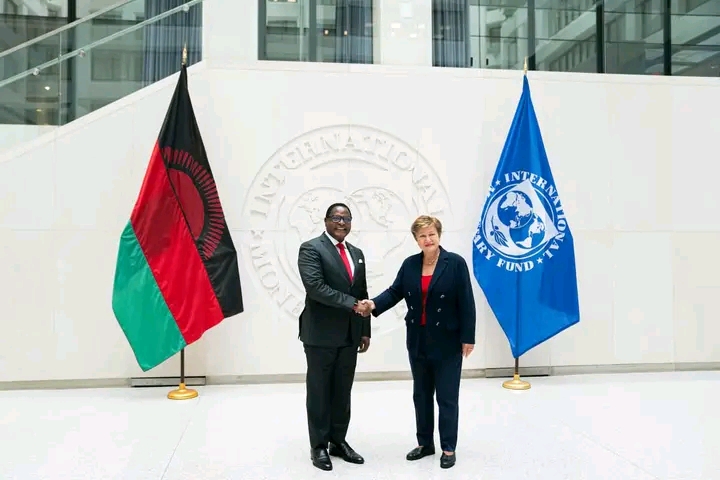
When Malawi secured a $175 million financial support deal with the International Monetary Fund (IMF), many well-meaning citizens saw it as a much-needed economic lifeline. The program, known as the Extended Credit Facility (ECF), was designed to stabilize the economy, reduce poverty, and steer the country back onto a path of sustainable growth.
Fast-forward less than two years, and that lifeline has quietly slipped away. The IMF officially terminated Malawi’s ECF program after no formal review was completed within the agreed 18-month window. Of the $175 million pledged, only $35 million was actually disbursed—leaving many to wonder: what went wrong?
A Nation’s Tough Balancing Act
At the heart of the issue is macroeconomic stability—a delicate balance between what an economy produces, spends, saves, and borrows. For Malawi, maintaining this balance has proven difficult in recent years. The country has grappled with severe foreign exchange shortages, rising public debt, and mounting fiscal pressures.
According to reports from the IMF and local economic analysts, Malawi struggled with fiscal discipline. Government spending consistently outpaced revenue collection, resulting in persistent budget gaps. Rebuilding foreign currency reserves—essential for servicing international debt and importing critical goods like fuel and medicines—proved equally daunting.
Efforts to restructure Malawi’s external debt, another key condition of the ECF program, also stalled. Without successfully renegotiating payment terms with international creditors, the country’s debt burden remained unsustainable, further undermining the IMF agreement.
Why This Matters to Ordinary Malawians
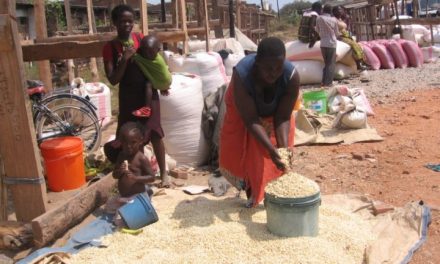
For the average Malawian, the collapse of the ECF program is far more than economic policy gone awry. It directly impacts daily life: unstable currency exchange rates, erratic fuel prices, high inflation, and reduced funding for public services. In a nation already grappling with poverty, the absence of external financial support only amplifies these challenges.
Is There Hope Beyond the IMF?
Despite the setback, Malawi is not without recourse. The government must now deepen its engagement with the IMF and other development partners to explore alternative forms of financial support. Simultaneously, domestic efforts to broaden the tax base, strengthen public financial management, and create an investor-friendly environment remain crucial for long-term recovery.
Conclusion
The premature end of the IMF’s ECF program marks a sobering moment for Malawi’s economic trajectory. But it also presents an opportunity—a chance to reset, reflect, and reframe national priorities. What the country needs now is a commitment to transparency, bold fiscal reforms, and consistent leadership that prioritizes long-term stability over short-term fixes. Only through this approach can Malawi begin to rebuild confidence, both at home and on the global stage.