
















ADIL CHILUNGO: The Tech-Driven Farmer Who Wants to Rebuild Malawi
By Shamiuna Mustafa & Abdullah Bamusi Nankumba
For decades, Malawi’s campaign trails have been paved with promises — big, shiny, and often empty. From pledges of cheap fertiliser to grand visions of economic revival, citizens have learned to listen with caution. Adil Chilungo, a businessman-turned-politician, says it’s time to replace speeches with solutions. His manifesto, he insists, is not a wish list — it’s a plan rooted in experience, technology, and faith.
At the centre of Chilungo’s vision is agriculture — not as a political talking point, but as the foundation of national transformation. “We can’t talk about developing this country without talking about agriculture,” he says. “It’s what feeds us, it’s what can bring us money locally and even from outside. If we get it right, we can fix our forex problems and slow down these rising prices.”
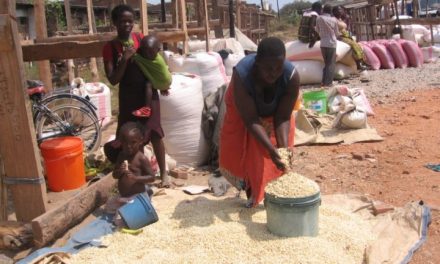
Unlike many candidates who treat farming as a seasonal slogan, Chilungo has been in the trenches for years. He produces organic fertiliser from fish and supplies it to farmers through organised clubs. These clubs don’t just receive fertiliser; they also get seeds, tools, and technical support — all on loan, with repayment structured in harvest yields rather than cash.
This approach, he argues, is proof that his agricultural policy is already in motion, unlike the other political parties’ manifestos in 2020 which pledged to lower fertiliser prices — a promise that ended with fertiliser becoming the most expensive commodity in Malawi’s history. “If we can’t make basic inputs affordable, then all our talk about ending hunger is just noise,” he says.
But Chilungo is not just a farmer — he’s a believer in technology as a national problem-solver. His manifesto calls for modern irrigation systems to end Malawi’s dependence on unpredictable rains. He envisions digital platforms to connect farmers directly with markets, cutting out middlemen and reducing post-harvest losses. “We have enough water in this country,” he says. “There’s no excuse for farmers to wait for rains.”
On governance, Chilungo positions himself as a man of action over rhetoric. When asked how he differs from the incumbent, President Dr. Lazarus Chakwera — a revered pastor whose leadership has been marred by unfulfilled promises — Chilungo is diplomatic but firm. “I can’t comment on Dr. Chakwera being a pastor. What I can say is that I will bring my solutions as a Muslim.”
He draws from Islamic finance principles to propose interest-free loans and businesses as a way to stimulate entrepreneurship without plunging citizens into debt traps. “Islam has answers to everything,” he says. “Justice, fairness, community welfare — these are not just religious values, they are political necessities.”
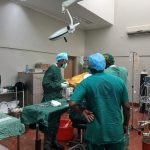
Health is another pillar of his agenda. Chilungo pledges to rebuild hospitals, ensure a constant supply of essential medicines, and expand rural healthcare access. He frames food and health as the twin foundations of a strong nation. “If we can get these two right, everything else will follow,” he says.
What makes Chilungo’s campaign notable is not just its content, but its framing. His speeches are less about blaming others and more about showing what he has already done — whether that’s building farmer clubs, producing fertiliser, or advocating for technology-driven farming. “Malawians have heard enough talk,” he says. “Now it’s time for action.”
Still, translating this vision into electoral success will be an uphill task. Malawi’s political culture is deeply entrenched in party loyalty, and independent or issue-driven campaigns face resistance. Yet, Chilungo’s message — that leadership should be measured by results, not rhetoric — is one that resonates in a country weary of broken promises.
As Malawi edges closer to the polls, his candidacy will test whether voters are ready to back a leader whose manifesto reads less like a dream and more like a to-do list — and whether faith, technology, and agriculture can form the backbone of a new political era.