

















Sugar Crisis Exposes Malawi’s Market Fragility
By Mustafa Makumba
For many Malawians, sugar has long been a kitchen staple—reliable, unremarkable, and affordable. But in recent months, this everyday essential has become a symbol of deeper economic dysfunction, as soaring prices and chronic shortages grip the nation.
Despite a government-sanctioned retail price of K3,000 per kilogram, sugar—when available at all—now sells for as much as K6,000. The spike has hit households and small businesses alike, triggering public outrage and prompting urgent intervention.
A Perfect Storm of Supply Chain Failures
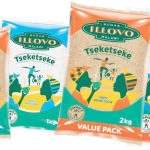
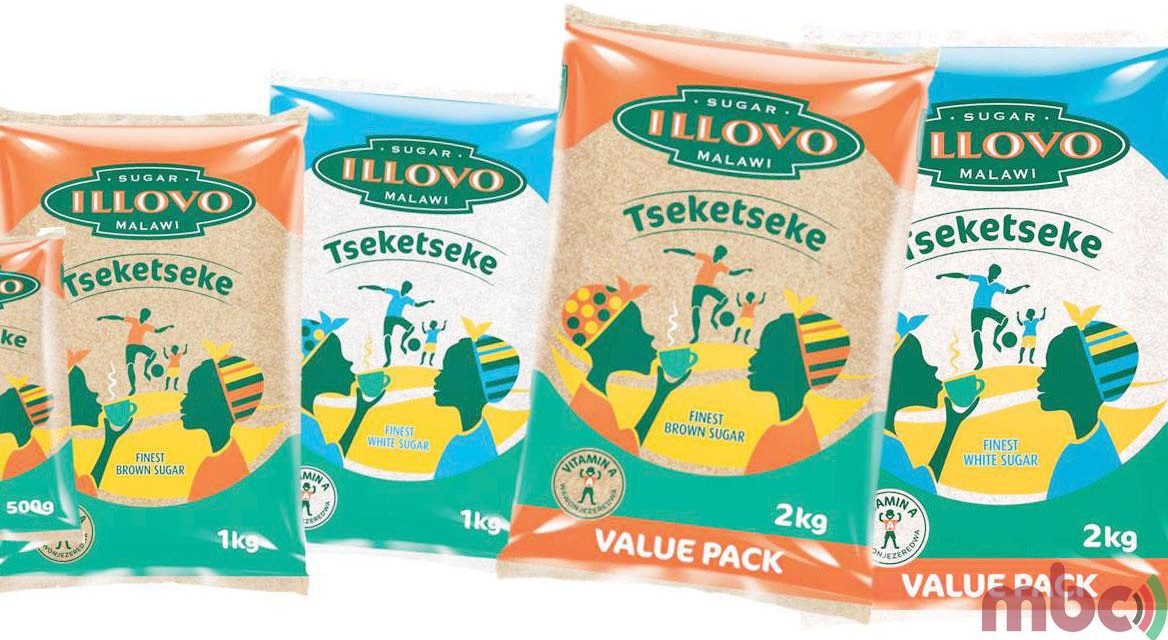
The crisis finds its roots in a series of cascading disruptions at Illovo Sugar Malawi’s Nchalo and Dwangwa estates. Unseasonal and prolonged rains delayed the start of the crushing season, reducing output just as demand spiked with the onset of the cooler months. Illovo, which controls nearly the entire domestic sugar market, holds a monopoly so central that any disruption reverberates nationwide.
Making matters worse is the rampant smuggling of sugar across Malawi’s porous borders. A significant portion of stock intended for local shelves is being trafficked into neighbouring countries through informal routes. Earlier this month, Trade Minister Vitumbiko Mumba confirmed the arrest of smugglers caught with over 300 bales of sugar—evidence of a growing black market draining the national supply.
Households and Businesses Under Pressure
The human cost of the crisis is immediate and personal. “At K5,000 per kilogram, it’s beyond my means,” said Patricia Mbewe, a mother of three from Lilongwe. “I used to bake for my children—now even tea with sugar feels like a luxury.”
Small-scale entrepreneurs are also feeling the sting. In Blantyre’s Mbayani township, Kelvin Nyondo, who runs a modest bakery, has been forced to halve production. “Customers complain, but what choice do I have? Either I buy at these prices or I shut down,” he said.
Government Response: Too Little, Too Late?
In response to public outcry, Minister Mumba announced a temporary ban on sugar exports and authorized law enforcement to clamp down on smugglers and price gouging. Illovo has resumed full operations and begun importing 600 tonnes of sugar from Zambia to help stabilise the market.
However, these measures have yet to fully restore normalcy. Prices remain stubbornly high, and availability remains patchy.
More Than Just Sugar
Economists warn that this crisis is not isolated. With food inflation already exceeding 36 percent, the sugar shock is merely a preview of broader vulnerabilities. If unchecked, similar crises could erupt in other essential sectors.
For now, Malawi’s sugar shortage is more than just a supply glitch—it’s a bitter reminder of how fragile the country’s economic systems remain in the face of climate shocks, policy gaps, and unregulated trade.