










Presidential Candidate Age Limit Debate Sparks Heated Political Rhetoric
By George Mhango
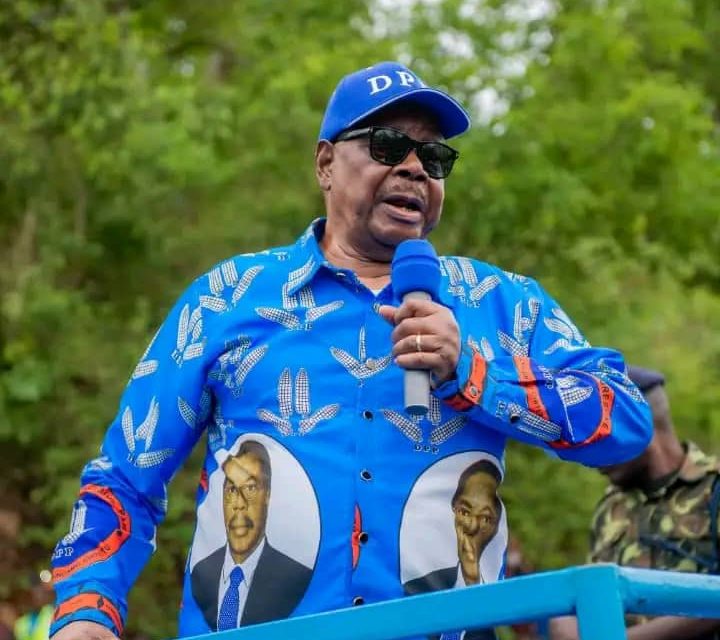
As Malawi moves closer to the September 16, 2025 General Elections, debate over the age of presidential candidates continues to dominate political discourse—triggered largely by the return of former President Peter Mutharika, now 85, as a contender.
The age-limit proposal, which aimed to amend Section 80 (6)(b) of the Constitution to bar candidates above 80 years, has not been tabled in Parliament. While some have welcomed the idea as a move toward generational renewal, others view it as a targeted attempt to block Mutharika’s bid.
Leader of Opposition George Chaponda from the DPP dismissed the proposed amendment, stating, “The Constitution is clear on age. Why try to change it now?” Even MCP Secretary General Richard Chimwendo Banda distanced his party from the bill.
Legal minds such as former Malawi Law Society president Patrick Mpaka argue that Section 87 of the Constitution already provides adequate safeguards regarding the capability of a sitting president, rendering the proposed amendment unnecessary.
The Youth Factor
With 7.2 million registered voters, many of them youths, age may become a campaign issue rather than a legal one. Political scholar Jani Grey Kasunda believes the debate will be weaponized to appeal to the youth vote—but warns that age is not a definitive measure of leadership capacity.
“There’s no evidence that young people govern better than older ones—or vice versa,” says Kasunda. “This will be used because some politicians have little else to offer.”
Governance expert Undule Mwakasungula shares a similar view, noting that Mutharika’s age and retired status may be used to suggest the need for fresh leadership. “Still, DPP values his experience. It can work both ways,” he says.
Divisive, But Not Illegal
Many legal experts consider the proposal unnecessary. They argue that Malawi’s Constitution already has robust eligibility criteria, and unless one is legally disqualified or criminally convicted, age alone should not be a barrier.
Yet, critics say pushing this narrative risks polarizing the electorate, especially if some voters perceive Mutharika as a victim of age discrimination. “We risk ending up with a president elected out of sympathy, not merit,” warns Kasunda.
He adds the age debate could also backfire by mobilizing youth into action, pushing them to take more serious roles in governance and political participation.
Is Mutharika Still a Threat?
South Africa-based Malawian analyst Kawepano Mbale argues that age talk is a strategic move by MCP, which sees Mutharika as the most formidable challenger to President Lazarus Chakwera. “Our politics is rarely about ideas—it’s about image, personality, and attacks,” Mbale says.
He cites Nigeria’s Bola Ahmed Tinubu, who, despite his advanced age, managed to exit Nigeria from IMF debt by repaying a $3.4 billion loan—highlighting that age doesn’t negate leadership effectiveness.
In contrast, Mbale points to Malawi’s economic struggles under a younger leader, asking, “Should we measure leadership by age or by results?”
Alliance Winds Blowing
Meanwhile, opposition parties are exploring coalitions ahead of the elections. DPP, AFORD, UDF, and others have entered preliminary talks. DPP’s Peter Mukhito confirmed alliance negotiations, while parties like PP, PDP, Mafunde, and FP have also declared a pact.
Whether these talks will lead to a joint candidate remains to be seen. But what’s clear is that alliances—and not just age—could redefine the dynamics of the 2025 race.
Manifestos Still Matter
Kasunda and Mwakasungula both caution voters to look beyond age. “Focus on who offers the clearest, most practical roadmap,” Kasunda advises. Mwakasungula adds that if a national consensus for age limits is to emerge, it must be fair, legal, and inclusive.
For now, the age limit remains a debate, not a law.