















Faith & Finance In Transition: Preparing For Malawi’s Economic Shift

Malawi has entered a new chapter. The elections have changed leadership, and with it comes the promise — and uncertainty — of an economic shift. History shows us that every government brings new policies, yet ordinary Malawians often bear the brunt of inflation, job scarcity, and currency instability.
For Muslims, this is a moment not only to anticipate reforms but also to prepare wisely. Islamic finance offers principles that can help us navigate uncertain times with dignity and faith.
Lessons from Islamic Finance
Unlike conventional systems, Islamic finance prioritizes justice, community, and sustainability. Its timeless principles are especially relevant now:
- Avoid Riba (Interest): With high borrowing costs, debt can become a trap. Islamic models promote profit-sharing, cooperative lending, and halal microfinance instead.
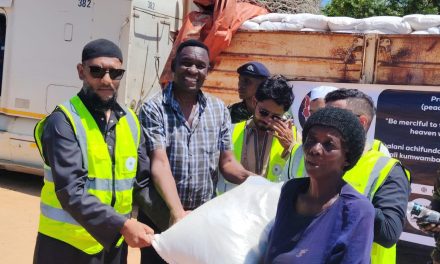
- Zakat and Sadaqah: Redistribution of wealth remains essential. Supporting the poor through zakat and charity strengthens the social fabric when government relief falls short.
- Real Value Investments: Islam urges us to invest in tangible sectors — land, agriculture, housing, small business — all crucial to Malawi’s growth.
- Moderation: The Qur’an warns against extravagance. Families must adopt balanced spending, avoiding waste, while saving for uncertainties.
Practical Steps for Malawian Muslims
- Cut Debt: Clear or restructure loans to reduce dependence on interest-bearing credit.
- Save for Emergencies: Even modest savings — in cash, gold, or livestock — can cushion against shocks.
- Diversify Income: Explore farming, skills-based work, or small trade as back-up streams.
- Support Halal Businesses: Circulating money locally builds stronger Muslim and Malawian communities.
- Stay Informed: Policy changes affect fuel, food, and trade. Awareness helps households make timely adjustments.
Opportunity in Transition
Political shifts are not only challenges; they open doors. A new government may push investments in agriculture, infrastructure, or trade — sectors where Muslim entrepreneurs can thrive. The global rise of Islamic finance tools such as sukuk (Islamic bonds) and halal fintech provides further avenues for ethical investment.
Young Muslims must seize this moment to skill up, innovate, and lead enterprises that respect both faith and market demand. Communities should strengthen cooperative funds and takaful schemes to protect families against loss.
A Call to Action
The Qur’an reminds us: “Indeed, Allah will not change the condition of a people until they change what is in themselves.” (13:11).
Malawi’s economy may shift with new leadership, but the responsibility for discipline, generosity, and ethical choices begins with us. By embracing Islamic finance, we can build resilience — and show that faith-driven economics is not only possible, but powerful.