




Assessing President Arthur Peter Mutharika’s First 100 Days
By Shaffie A. Mtambo
The first 100 days of President Arthur Peter Mutharika’s leadership have unfolded during a period of economic difficulty, food insecurity, and rising public expectations. Rather than relying on rhetoric, his administration has focused on stabilisation measures and policy direction aimed at restoring confidence and laying foundations for recovery.
Within this period, the President moved to address inflation, fuel shortages, and persistent power challenges. Measures such as the introduction of open tenders for fuel imports, renewed engagement with the IMF and World Bank, and reforms in the mining sector reflected early attempts to correct long-standing structural weaknesses in the economy. Progress on long-term projects, including the Mpatamanga Hydropower Project, further signalled a commitment to sustainable energy solutions.
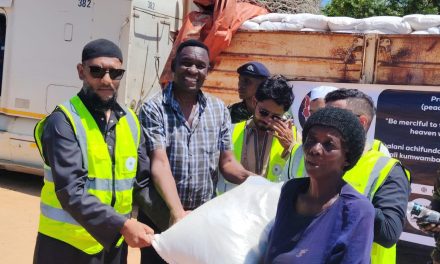
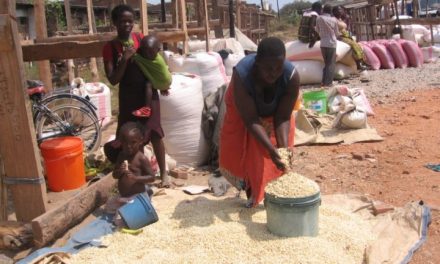
Food insecurity was quickly identified as a national emergency. In his first 100 days, President Mutharika acknowledged the depth of the hunger challenge and initiated food distribution in affected areas. Efforts were also directed toward ensuring maize availability through ADMARC and improving access to farm inputs ahead of the next agricultural season. The allocation of K5 billion per constituency for development highlighted a grassroots-focused response to both economic and food-related challenges.
On governance, the President consistently emphasised unity, accountability, and service delivery. He publicly challenged his cabinet to prioritise results over personal gain and reinforced merit-based appointments as a cornerstone of effective leadership. These early governance signals were intended to strengthen institutions and rebuild public trust.
The President’s leadership during the first 100 days also reflected a human-centred approach. He honoured war veterans and pledged support for their welfare, while acts of compassion toward bereaved families demonstrated sensitivity to the social realities facing citizens. His messages during national and festive moments focused on hope, resilience, and unity.
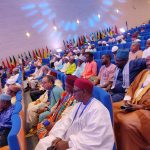
Regionally and internationally, President Mutharika used diplomacy as a tool to support domestic recovery. His engagements within SADC emphasised peace and cooperation, while discussions with international partners focused on addressing fuel supply challenges and foreign exchange shortages affecting the economy.
Overall, the first 100 days suggest a presidency focused on stabilisation, engagement, and policy groundwork. While many initiatives remain at early stages, the direction taken indicates proactive leadership under pressure. Based on this early performance, President Arthur Peter Mutharika’s first 100 days can be assessed at 8.7 out of 10, acknowledging progress while recognising the magnitude of challenges that remain.
As the administration moves beyond the 100-day mark, the emphasis will shift from intent to tangible results. Sustained economic recovery, lasting food security solutions, transparency in governance, and resolution of fuel and forex challenges will be critical in determining the long-term impact of the President’s leadership. The coming months will test consistency, discipline, and leadership.