

















The True Test Of Democracy: Malawi At The Crossroads

The September 16, 2025 elections will be remembered not only for their outcome but for what they revealed about Malawi’s democracy. For the seventh time since the end of one-party rule in 1994, Malawians braved long queues to cast their votes, reaffirming that, whatever its flaws, the ballot remains the ultimate voice of the people.
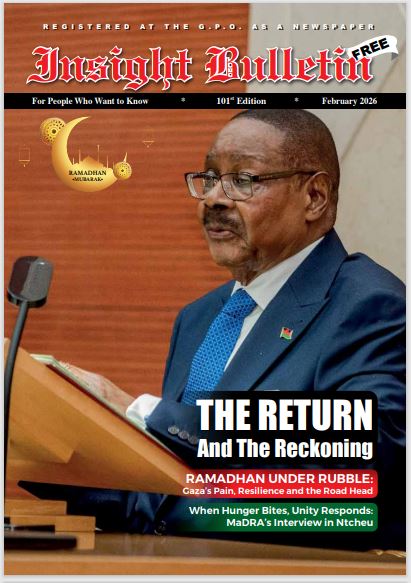
The result shocked many: the Democratic Progressive Party (DPP) and its leader, Arthur Peter Mutharika, reclaimed power with a commanding 56.3 percent of the vote. The ruling Malawi Congress Party (MCP), once confident in its grip on government, was left humbled. In an election where most expected a rerun, Malawians instead made a decisive choice.
But beyond the numbers, the election process tested the very fabric of our institutions. MCP’s last-minute bid to stop the Malawi Electoral Commission (MEC) from announcing results was a dangerous gamble. Had the courts bowed to pressure, Malawi might have been plunged into uncertainty, undermining both MEC’s credibility and the people’s trust in the system. That the judiciary stood firm is a victory for the rule of law.
Equally significant was President Lazarus Chakwera’s concession of defeat. For a leader to accept loss, despite earlier challenges from his party, is no small gesture. His decision to respect the constitution and the will of the people averted what could have been a national crisis. Without this act of statesmanship, Malawi risked sliding into confrontation, protests, or even violence. In a country already reeling from economic hardship, such instability would have been disastrous.
The lesson is clear: democracy is not only about winning; it is about how leaders and institutions behave when they lose. Chakwera’s concession stands as a reminder that the health of our republic depends as much on graceful exits as it does on victorious entries.
The September elections also carry a deeper message for Malawi’s political class. Citizens are no longer voting purely along regional or tribal lines. They are voting with frustration, with memory, and with expectation. They punished MCP not because of where it comes from, but because of what it became: a government perceived as arrogant, corrupt, and disconnected from ordinary lives.
As Mutharika and the DPP return to the helm, they inherit both hope and skepticism. Malawians have given them a second chance, but not a blank cheque. The ballot has spoken, firmly and loudly: power belongs to the people, and the people will not hesitate to take it back.