















ZAKAT AS A BLUEPRINT FOR COMMUNITY DEVELOPMENT
In Islamic finance, justice and social balance are not theoretical ideas—they are actionable obligations rooted in the Qur’an and Sunnah. Zakat, one of the fundamental pillars of Islam, functions as a structured economic system designed to support the vulnerable and prevent wealth concentration. Allah commands, “Establish prayer and give zakat…” (Qur’an 2:110), signalling that spiritual devotion and financial responsibility are inseparable.
Historically, Zakat played a central role in stabilising societies. During the era of the Sahabah, leaders such as Umar ibn al-Khattab (RA) ensured that wealth flowed from those with surplus to those struggling with basic needs. The aim was clear: no Muslim should sleep hungry while others live in comfort. This redistribution created dignity, opportunity, and unity.
Zakat as an Equalising Force
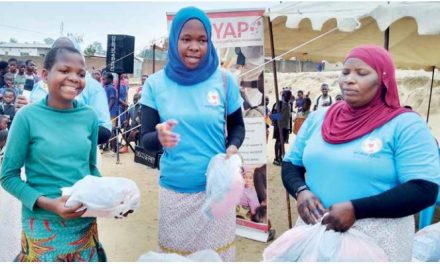
The Malawian economic landscape mirrors many developing contexts—urban poverty, rural underdevelopment, youth unemployment, and families trapped in informal debts. Rising living costs in Blantyre, Lilongwe, and Mzuzu widen the gap between the rich and the poor. Islam offers a practical antidote through Zakat.
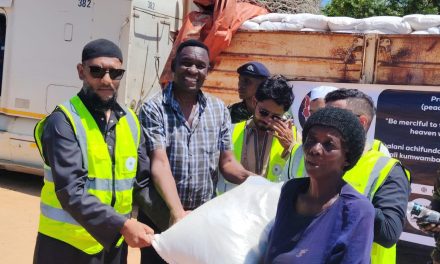
Surah At-Tawbah (9:60) identifies eight categories eligible for Zakat, mainly the poor, the needy, and those whose livelihoods have collapsed. This framework is not merely charitable; it establishes long-term economic empowerment. When applied effectively, Zakat helps small traders expand capital, supports farmers with tools, funds school fees for vulnerable children, and stabilises households facing financial distress.
Prophetic Guidance in Economic Responsibility
The Prophet Muhammad (SAW) emphasised that charity does not reduce wealth: “Wealth is not diminished by giving in charity.” (Sahih Muslim). Islamic scholars teach that Zakat encourages circulation of money and prevents stagnation. Imam Al-Ghazali and Ibn Taymiyyah both stressed that hoarded wealth weakens societies, whereas distributed wealth strengthens them.
Thus, Zakat is not a seasonal act—it is a continuous financial engine for community welfare.
Applying Takaful in the Malawian Context
Malawian Muslims can operationalise Takaful through practical, transparent initiatives:
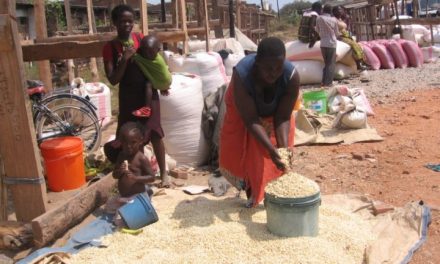
- Support for small businesses—market vendors, farmers, and youth entrepreneurs.
- Educational assistance—school fees for orphans and vulnerable learners.
- Women empowerment—funding income-generating projects for widows.
- Debt relief—helping families trapped in informal lending systems.
- Strengthening institutions—madrassahs, clinics, and community welfare programs.
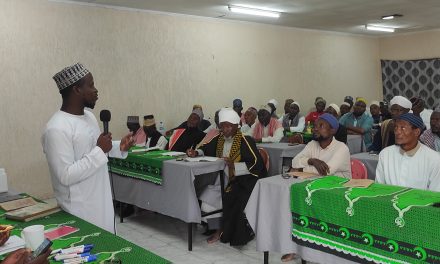
Local Masjid committees and Zakat boards can ensure accountability, proper assessment of needs, and fair distribution.
A Path Toward Reducing Inequality
Islam rejects economic systems that widen inequality. Zakat ensures wealth does not circulate only among the elite but flows to uplift entire communities. When Malawian Muslims embrace this Takaful model sincerely and consistently, they honour a divine blueprint for shared prosperity.
Through Zakat, we close the gap, preserve dignity, and strengthen the Ummah—one community at a time.