














The Politics and Pain of Malawi’s Economic Recovery Plan (NERP)

By Haroon Mia
Malawi’s National Economic Recovery Plan (NERP) is unfolding in a moment of deep economic strain, rising public frustration, and heightened political sensitivity. With inflation still high, debt distress worsening, and interest payments swallowing nearly half of domestic revenue, the government’s “bitter pill” narrative carries real political risk—particularly given how similar austerity measures contributed to the previous administration’s electoral defeat.
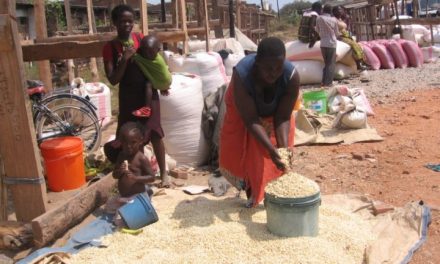
The economy remains in prolonged distress, marked by declining living standards and persistent inflation. Economic growth hovered around 1.8 percent in 2024 and is projected to rise only marginally to 2.0 percent in 2025, still below population growth. This means the average Malawian continues to get poorer. Inflation remains elevated, maize production has fallen short of national requirements for a third consecutive year, and the fiscal deficit stands at 10.5 percent, far above target. Interest payments now consume nearly half of domestic revenue, while international financial institutions have confirmed Malawi’s debt distress.
NERP represents the government’s attempt to stabilise this environment through austerity, fiscal tightening, and structural reforms. Official messaging frames the plan as a “suffer now, benefit later” pathway, arguing that painful adjustments are unavoidable. However, the lived reality for many households is severe. Taxes remain high, subsidies are shrinking, and prices continue to rise. Domestic borrowing has increased, pushing interest costs higher. Civil society groups, churches, and local councils have raised concerns that citizens are being overburdened without clear signs of relief.
The debate around austerity is complex. Supporters argue that fiscal tightening is necessary to restore macroeconomic balance and unlock external financing. Reducing deficits could help stabilise the kwacha and ease inflationary pressures, while reforms may improve long-term investment conditions. Critics counter that austerity risks deepening poverty in the short term. With growth below population growth, real incomes continue to shrink. Reduced subsidies and high taxes disproportionately hurt the poor, while food insecurity remains severe.
Domestic borrowing has become the government’s primary financing tool, but it carries significant risks. High interest payments crowd out private sector credit, while stalled debt restructuring prolongs uncertainty. Without disciplined spending, Malawi risks a debt spiral that undermines NERP’s objectives.
The political risks are equally serious. Public patience is thinning, and election cycles amplify economic pain. Unless austerity is paired with visible progress, social protection, and credible communication, NERP risks repeating a familiar lesson: in Malawi, economic pain is never just economic—it is profoundly political.