












Survey Reveals Economic Frustration, Rising Demand For Honest Leadership
By Patricia Fiwa
With Malawi’s 2025 general elections fast approaching, the latest survey by the Institute of Public Opinion and Research (IPOR) reveals a clear message from the electorate: fix the economy, fight corruption, and keep promises.
The nationally representative survey, conducted from 6 to 20 July across 27 districts and involving over 2,600 adults, sought to gauge public opinion on governance, economic management, voter priorities, and trust in the electoral process. Its findings reflect the national mood and serve as a warning to those seeking public office.
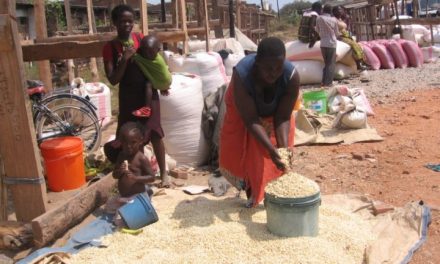
The economy stands out as the dominant concern for most Malawians. An overwhelming 87% of respondents rated the current economic condition as bad, with more than half describing it as very bad. Additionally, 76% said the national economy has worsened over the past year. While the Tonse Alliance led government earned moderate praise for health services (58%), water and sanitation (56%), and education (51%), economic frustrations appear to overshadow these gains. Nearly half (46%) believe there has been no progress on promises, particularly in job creation and anti-corruption efforts.
Despite economic dissatisfaction, most Malawians still trust the electoral process. According to the survey, 76% of respondents have confidence in the Malawi Electoral Commission (MEC). While only 31% believe the 2025 elections will be completely free and fair, another 33% expect only minor problems. Key safeguards identified include the neutrality of security forces, transparent vote counting, and balanced media coverage.
Malawians are calling for change. The top voter priority is managing the economy (34%), followed by addressing food insecurity (22%). Integrity in leadership is highly valued, with 49% of voters saying they will choose a candidate committed to fighting corruption. Only 39% say they will consider political party manifestos, while factors such as ethnicity or handouts appear to have minimal influence. This shift signals a maturing electorate—one that demands substance over slogans.
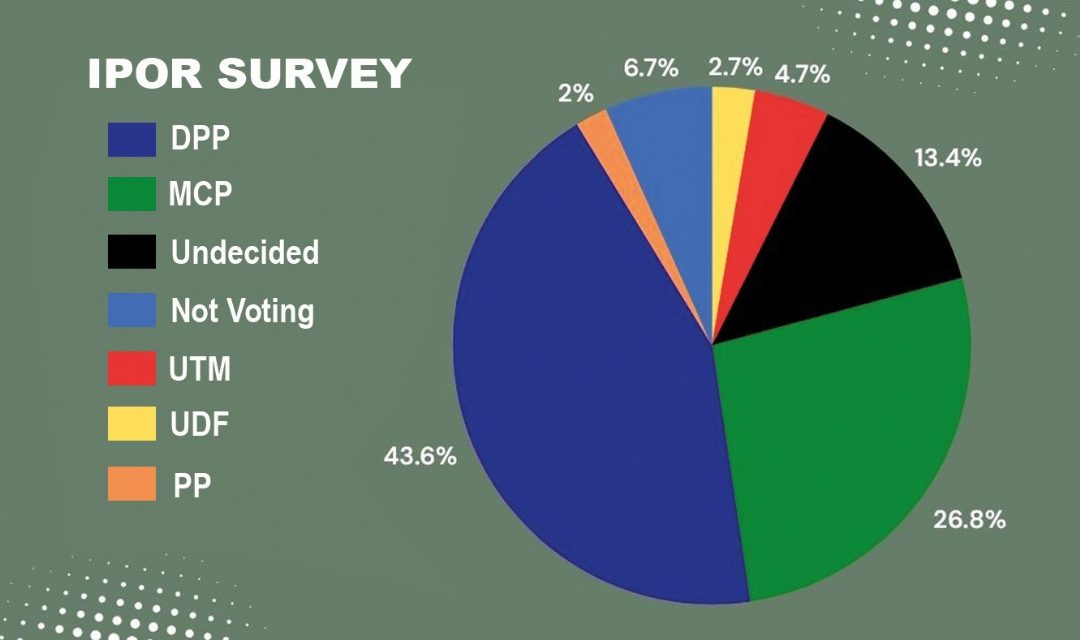
On voting intentions, the survey reveals that 95% of registered voters plan to participate in the election. Former president Peter Mutharika of the Democratic Progressive Party (DPP) leads the race with 43% of the vote, followed by incumbent Lazarus Chakwera of the Malawi Congress Party (MCP) at 26%. Dalitso Kabambe (UTM) trails at 5%, Atupele Muluzi (UDF) at 2%, and Joyce Banda (PP) at 1%. Twelve percent of voters remain undecided, while 6% declined to disclose their preference. Interestingly, Mutharika has strong support among young voters—50% of those aged 18 to 35 back his candidacy—signaling a surprising generational crossover.
As the election campaign unfolds, IPOR has called on political parties, the media, and civil society to engage responsibly with the findings. The data offers more than just numbers—it reflects citizens’ expectations for leadership grounded in accountability, economic revival, and integrity.
For those who wish to lead Malawi beyond 2025, the people have spoken.