





MEC Chair Mtalimanja Earns Praise as Mutharika Outlines Priorities After Election Victory
By Tagamchira Chiperesa
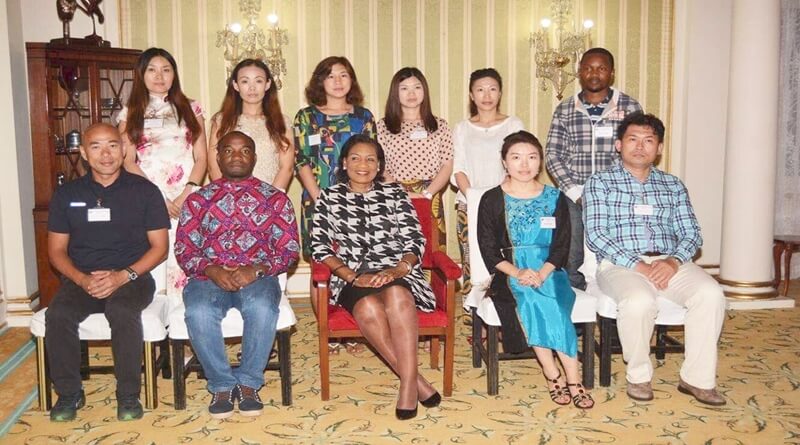
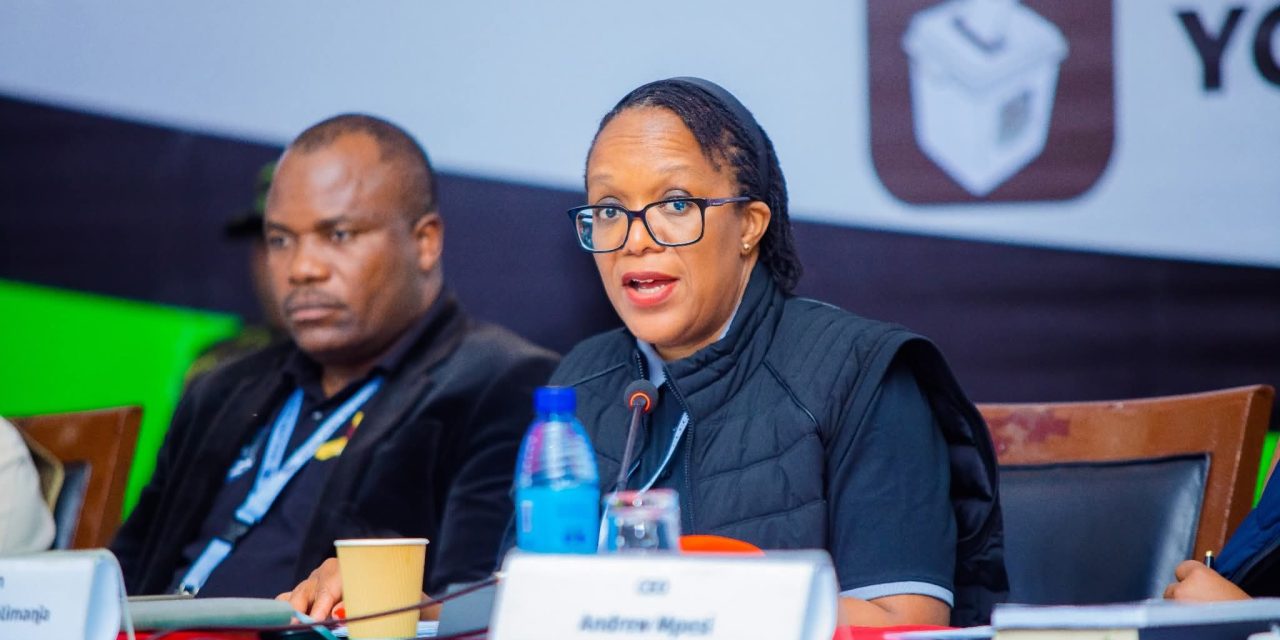
The Malawi Electoral Commission (MEC) Chairperson, Justice Annabel Mtalimanja, has earned widespread praise for her exemplary role in managing the September 16, 2025 tripartite elections.
Prominent social commentator Master Dickson Nfune described Mtalimanja as a rare figure of integrity in a political environment often clouded by mistrust.
“She has shown resilience, patriotism, and professionalism. Truly, she is a stateswoman,” Nfune said, noting that critics who doubted her impartiality before the elections have been proven wrong.
In the run-up to the polls, sections of the public, opposition parties, and politicians had questioned her neutrality, citing perceived political connections. However, her leadership—spanning polling day, vote tallying, and the official announcement of results—has been hailed for upholding transparency and fairness.
Nfune urged President-elect Professor Arthur Peter Mutharika to consider retaining Mtalimanja in service, saying her integrity could strengthen democratic governance.
“As a country, we need people who follow ethics and remain firm under pressure. The President should honour her contribution, perhaps even with the Order of the Lion, for changing the mindset of Malawians who once doubted her,” Nfune said.
Mutharika’s Victory and Priorities
The elections saw Mutharika’s Democratic Progressive Party (DPP) defeat incumbent President Dr. Lazarus McCarthy Chakwera of the Malawi Congress Party (MCP). Official results placed Mutharika at 56.8% of the total valid votes, securing him a second term in power.
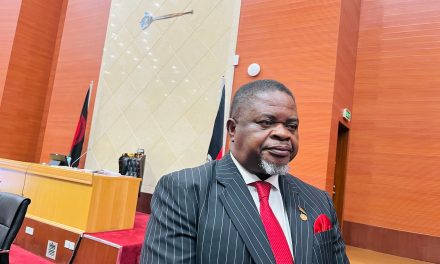
In his first press briefing in Blantyre after being declared winner, Mutharika outlined the direction of his new administration.
He announced that his government would review the controversial relocation of public institution headquarters to Lilongwe, with the possibility of bringing some offices back to Blantyre. He stressed that such decisions would follow due process, saying:
“Concentrating government offices in one place is unnecessary. Any adjustments will be handled carefully and legally.”
On governance, Mutharika dismissed the idea of rushing decisions to satisfy a “first 100 days” target. Instead, he pledged a phased approach—short, medium, and long-term measures—with immediate attention on food insecurity and fuel shortages.
Regarding appointments, the President-elect promised to prioritize merit over political appeasement, seeking competence as the guiding principle.
Responding to questions about a possible inquiry into the death of former Vice-President Saulos Chilima, Mutharika said there were no immediate plans to establish a committee. He explained that the matter would be referred to the Minister of Justice for review.
A Fragile Economy
Mutharika also addressed the country’s precarious economic state, warning that disengaging from the International Monetary Fund (IMF) would be “suicidal” for Malawi.
He pledged to re-engage the lender, stressing that restoring the Extended Credit Facility (ECF) is critical for stabilising public finances and regaining investor confidence.
“Without the IMF, we cannot restore international trust or unlock critical financial support,” he said.
As Malawians look to the future, Mtalimanja’s role in delivering a credible election and Mutharika’s early policy pronouncements set the tone for a period of high expectations—balanced by the reality of daunting challenges ahead.