





Chihana Urges Unity and Accountability as Malawi Marks 2025 International Human Rights Day.

By Shaffie A. Mtambo
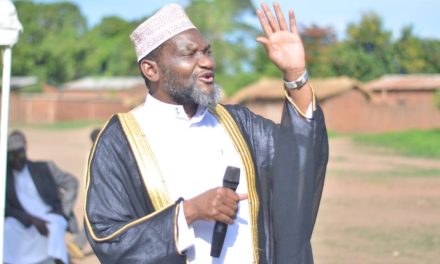
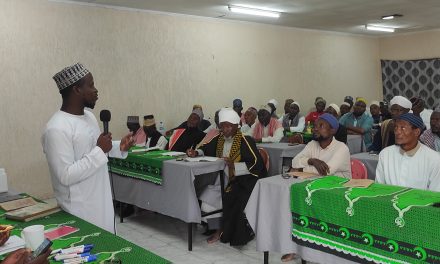
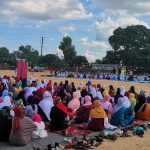
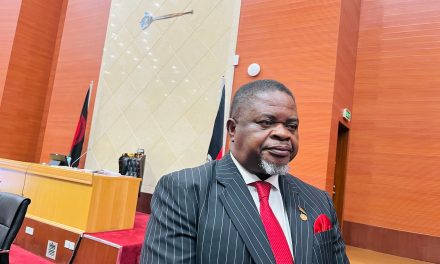
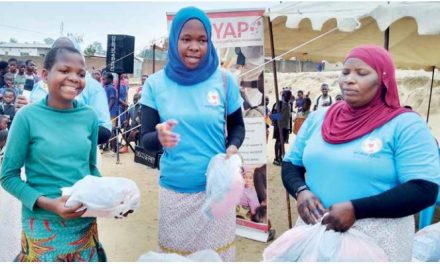
The Waterboard Ground in Nkhata Bay came alive on Wednesday as Malawi’s Second Vice President, Enock Kanzingeni Chihana, led national commemorations for the 2025 International Human Rights Day. He delivered a firm call for unity, accountability and the daily respect for human dignity as the nation reflected on its human rights journey.
Speaking on behalf of President Professor Arthur Peter Mutharika, Chihana said this year’s theme, “Human Rights: Our Everyday Essentials,” serves as a reminder that human rights are not abstract ideals but the foundation of dignified living for every Malawian. He noted that the commemoration aligns with the 77th anniversary of the Universal Declaration of Human Rights, a landmark document forged after World War II to guarantee equality and dignity for all.
As the world approaches the 2030 Sustainable Development Goals deadline and the United Nations marks 80 years, Chihana stressed the need for Malawi to honestly assess its progress and confront remaining gaps. He reaffirmed the country’s commitment to key global treaties such as the International Covenant on Civil and Political Rights and the Convention on the Elimination of All Forms of Discrimination Against Women.
Chihana pointed to national legislation—including the Child Care, Protection and Justice Act, the Gender Equality Act and the Disability Act—as the backbone of Malawi’s protection framework. He applauded constitutional bodies such as the Malawi Human Rights Commission (MHRC), the Office of the Ombudsman and the Legal Aid Bureau for safeguarding rights enshrined in the Constitution. He further commended the MHRC for maintaining its A-status accreditation under the Global Alliance of National Human Rights Institutions, describing it as a testament to its independence and professionalism.
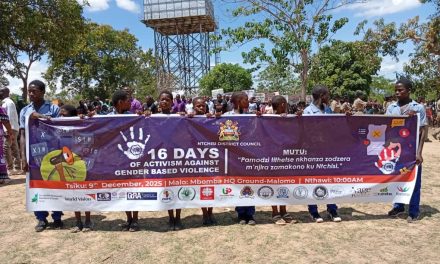
The event also marked the conclusion of the global 16 Days of Activism Against Gender-Based Violence. Chihana highlighted persistent violations including violence against women and girls, HIV-related stigma, barriers faced by persons with disabilities and the corrosive impact of corruption. He emphasized that human rights must translate into everyday essentials—clean water, respectful healthcare, accessible education, functional justice systems and safe communities.
Using Nkhata Bay’s lakeshore settlements as an example, he said government interventions must reach people where they live, ensuring no one is left behind. He outlined six national priorities: strengthening health systems, widening access to justice, protecting children from exploitation, promoting inclusion for persons with disabilities, advancing economic and social rights and intensifying efforts to end gender-based violence. Transparency and accountability, he said, are essential to ensure public resources benefit intended communities.
Chihana reaffirmed government’s commitment to funding the MHRC, safeguarding its independence and strengthening collaboration with the Ombudsman and the Legal Aid Bureau. He also thanked development partners—including UNDP, Iceland and Norway—for their support to human rights initiatives.
He concluded by reminding Malawians that defending human rights is a collective responsibility that begins in homes, schools, workplaces and communities, and praised civil society, faith leaders, media and traditional authorities for advancing justice and dignity across the nation.