







A Call For Justice and Humanity: Standing with the Oppressed
By Haroon Mia
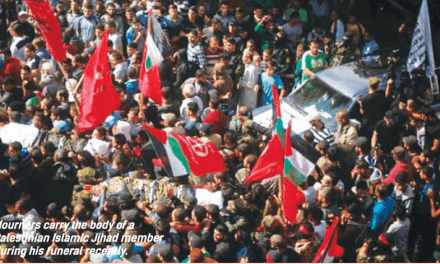
As conflict intensifies in the Middle East, the world is witnessing a humanitarian crisis that transcends borders, religions, and politics. The ongoing violence in Gaza, compounded by escalating tensions between Israel and Iran, has left countless civilians—men, women, and children—caught in the crossfire. These are not just statistics; they are human lives, each with dreams, families, and the right to live in peace.
A Worsening Humanitarian Tragedy
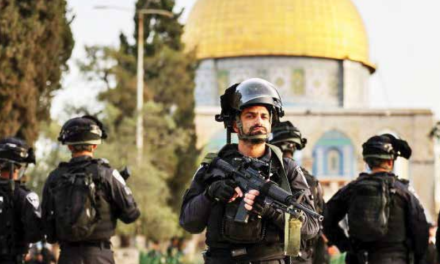
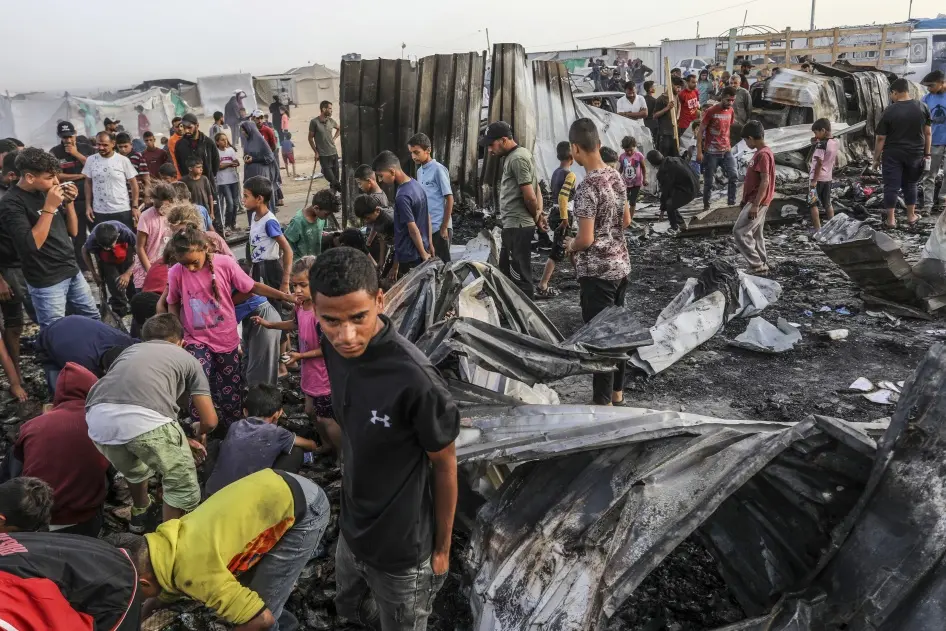
Recent reports from Gaza paint a harrowing picture. On June 17, at least 70 Palestinians were killed while trying to collect food from aid distribution points—sites that should be sanctuaries, not death traps. These attacks, carried out by Israeli forces, are part of a broader pattern of aggression that has devastated communities and crippled access to basic necessities.
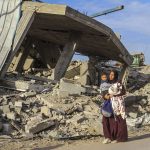
Entire neighborhoods in northern Gaza have been reduced to rubble. Hospitals have run out of medicine, fuel, and electricity. Civilians have been displaced multiple times—fleeing south, then north, then south again—as military operations intensify without warning. The humanitarian infrastructure, once fragile, has now collapsed.
The Gaza Humanitarian Foundation, now operating under Israeli and U.S. oversight, has become a symbol of how humanitarian aid can be politicized and weaponized. Rather than serving as a lifeline, aid has become entangled in negotiations, conditions, and blockades. Children are dying not just from bombs, but from hunger and dehydration.
Regional Escalation, Global Implications
Meanwhile, the conflict with Iran has escalated into a dangerous regional confrontation. Israeli airstrikes on Iranian targets, and retaliatory attacks from Tehran—including the April missile barrage—have brought the region to the brink of open war. Lebanon, Syria, and Iraq have also been drawn into the fray, each facing the consequences of a conflict not of their choosing.
Yet, amid this geopolitical chess game, it is ordinary people—regardless of nationality or faith—who suffer the most. Whether in Tehran, Tel Aviv, or Gaza, the human cost is staggering. Families mourn in silence. Children grow up with trauma in place of childhood. The suffering is not ideological; it is human.
The Role of Superpowers
The role of the United States in this crisis cannot be ignored. As Israel’s closest ally, the U.S. continues to provide military support and diplomatic cover, even as international outcry grows. Over $14 billion in military aid was approved this year alone. The American veto in the UN Security Council has repeatedly blocked resolutions calling for ceasefires and humanitarian access.
This unwavering support emboldens actions that many around the world view as violations of international law and basic human rights. The silence—or complicity—of powerful nations sends a dangerous message: that might is right, and justice is negotiable.
An African Perspective: Malawi’s Moment
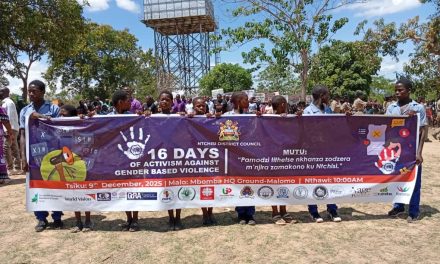
Here in Malawi, local solidarity efforts have begun to rise. Interfaith vigils have been held in Blantyre and Lilongwe. University students have organized peaceful rallies and boycotts. Civil society organizations are calling on the government to adopt a foreign policy rooted in human rights, not geopolitical alliances.
This is not about taking sides in a political conflict. It is about affirming our shared humanity. It is about saying that no child should die of hunger or be bombed while seeking food. It is about demanding accountability from those in power and urging our leaders to align foreign policy with the principles of justice and truth.
As Africans, we know what colonization looks like. We know the sting of being silenced, of being told that our pain does not matter. The struggle of the Palestinian people resonates with our own histories. To ignore their cries is to betray our own past.
The Moral Imperative
Let us raise our voices—not as members of any one faith or group, but as people of conscience. Let us support humanitarian efforts, advocate for peace, and educate ourselves and others about the realities of this crisis. Let us challenge narratives that erase the suffering of one side while amplifying the pain of another.
Silence in the face of injustice is complicity. Neutrality, in moments of moral clarity, is a luxury the oppressed cannot afford. Now is the time to stand up—not just for Palestinians or Iranians, but for all who suffer under the weight of war and oppression.
A Prophetic Reminder
The Prophet Muhammad (peace be upon him) taught us a principle that transcends time and context:
Sahih Muslim (Hadith 2578):
“Help your brother, whether he is an oppressor or he is oppressed.”
The companions asked, “O Messenger of Allah, we help the oppressed, but how do we help the oppressor?”
He replied, “By preventing him from oppressing others.”
This is the balance we must seek. Stand with the oppressed. Hold the oppressor accountable—not with hatred, but with courage and conviction.
Let This Be Our Stand
From Gaza to Malawi, from the halls of power to the quiet voices on the street, let us remember: justice is not a slogan. It is a commitment. Peace is not the absence of war. It is the presence of dignity. And our silence—if we choose it—will be remembered not as neutrality, but as betrayal.
We still have a choice. Let us make it count.