









Ramadhan Under Rubble: Gaza’s Pain, Resilience and the Road Ahead
Prepared by Abdullah Bamusi Nankumba
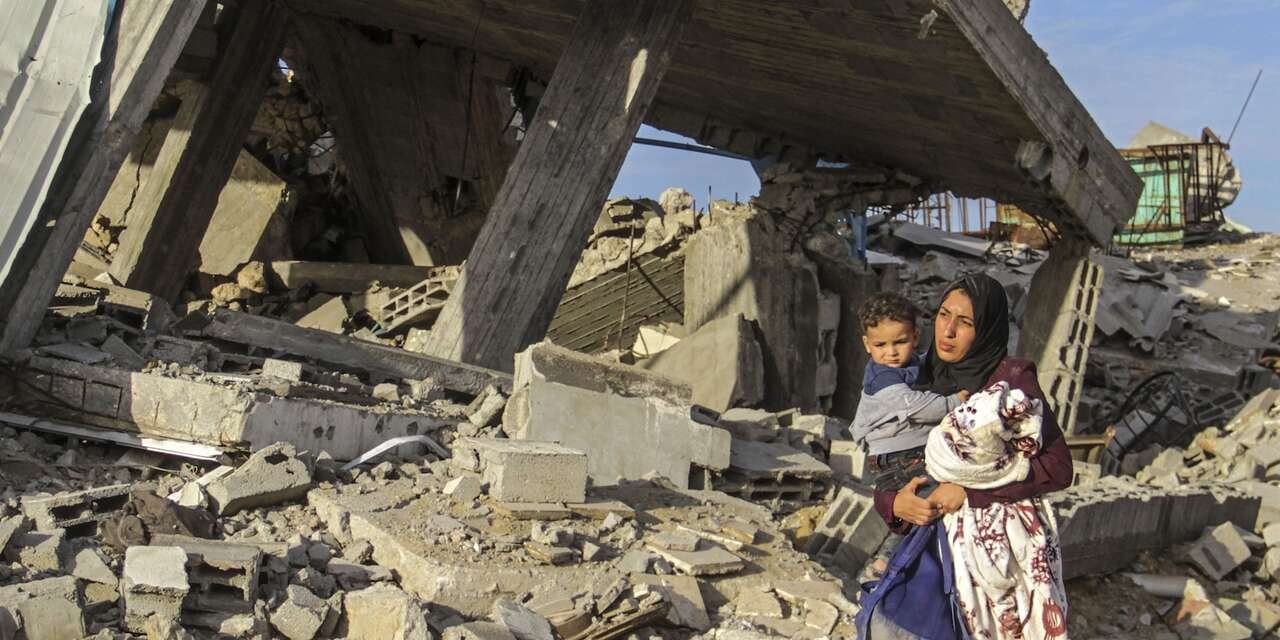
As Ramadhan approaches, much of the Muslim world prepares for a month of reflection, restraint and renewal. In the Gaza Strip, however, reflection takes place beneath shattered buildings, restraint is enforced by blockade and bombardment, and renewal feels painfully distant. Yet even amid devastation, Gaza’s story is not one of despair alone. It is also one of resilience, survival and a stubborn refusal to disappear.
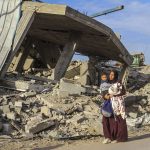
Since the latest escalation between Hamas and Israel Defense Forces, the humanitarian cost has been staggering. Entire neighbourhoods have been reduced to rubble. Critical infrastructure — hospitals, water systems and schools — has suffered severe damage. Displacement has become a daily reality for hundreds of thousands of families. Civilian casualties, including women and children, continue to dominate global headlines.
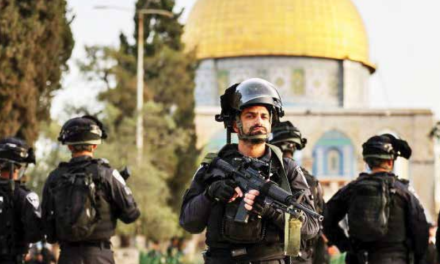
At the same time, Israeli authorities argue that their operations target militant infrastructure and are framed as security measures following attacks inside Israel. The conflict remains deeply polarised in global discourse, with narratives shaped by history, security concerns and competing claims to land and sovereignty.
But beyond geopolitics, Gaza today represents a humanitarian emergency of immense scale.
The United Nations, through agencies such as United Nations Relief and Works Agency for Palestine Refugees in the Near East (UNRWA), has attempted to coordinate emergency shelter, food distribution and medical support. The World Food Programme has delivered limited food assistance, while the World Health Organization has warned of collapsing healthcare capacity. Regional actors, including Egypt and Qatar, have facilitated aid convoys and diplomatic efforts aimed at temporary ceasefires.
Yet the volume of aid entering Gaza has consistently fallen short of the need. Access constraints, damaged roads and inspection delays have limited the speed and scale of relief. Fuel shortages have crippled hospital generators and water desalination systems. Food insecurity has deepened, with families rationing bread and skipping meals altogether.
And still, something remarkable persists.
Despite relentless pressure, Palestinian civil society structures have not entirely collapsed. Community kitchens continue to operate where possible. Local volunteers organise makeshift clinics. Families share what little they have. Journalists risk their lives to document events in real time, ensuring that Gaza’s story remains visible to the world.
There are also political developments that, while fragile, suggest shifting dynamics. International recognition of Palestinian statehood has gained incremental support in diplomatic circles. Discussions about post-war governance structures and reconstruction frameworks are increasingly part of regional and global policy debates. The question is no longer only about immediate ceasefires, but about what a sustainable political arrangement might look like.
For Palestinians, survival itself has become a form of achievement. Maintaining social cohesion under bombardment is not a small feat. Preserving cultural identity amid displacement is not accidental. The continuity of education — even in tents and damaged classrooms — reflects a long-term vision that extends beyond the present conflict.
However, resilience must not be romanticised. Endurance under siege is not a substitute for justice or reconstruction.
The urgent needs in Gaza are clear.
First, a sustained and verifiable ceasefire is essential. Without stability, humanitarian operations cannot scale effectively. Second, unrestricted humanitarian corridors must be established to ensure consistent delivery of food, medical supplies, clean water and fuel. Third, large-scale reconstruction funding is required — not only to rebuild homes, but to restore schools, hospitals, electricity networks and water systems.
Economic recovery will also be critical. Gaza’s unemployment rate was already among the highest in the world before the escalation. War has destroyed businesses, workshops and farms. Without a pathway to economic productivity, dependency on aid will deepen.
Longer term, meaningful political dialogue remains unavoidable. The conflict cannot be managed indefinitely through military cycles. Durable peace will require addressing security concerns on all sides, clarifying governance arrangements and confronting the unresolved question of Palestinian statehood.
As Ramadhan approaches, the moral weight of Gaza becomes heavier. The month calls believers to empathy — to feel hunger voluntarily so as to remember those who feel it involuntarily. In Gaza, fasting this year may not be a spiritual discipline alone; for many, it may reflect an absence of choice.
In the end, Gaza’s future cannot rest solely on humanitarian convoys or emergency pledges. It will depend on political courage, regional responsibility and sustained international engagement. The people of Gaza have demonstrated resilience beyond measure. What they now require is not admiration for their endurance, but a credible path toward stability, dignity and peace.
Ramadhan is a month of renewal. Whether that renewal extends to Gaza depends on decisions being made far beyond its shattered skyline — and on whether the world is prepared to move from sympathy to sustained action.