












Faith in the Fire: Sustaining Livelihoods Amid Price Hikes

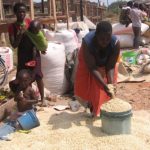
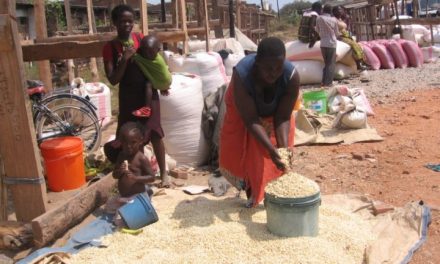
Malawians are no strangers to hardship—but July 2025 feels especially heavy. As inflation continues to erode the value of every Kwacha. A loaf of bread that cost K1,500 last year now sells for over K2,900. Electricity units vanish quicker, market prices spike weekly, and transport costs have doubled. Yet, for many, salaries remain unchanged.
This is not just economic strain—it is survival pressure.
But even in this pressure, faith offers guidance. Islamic financial principles speak deeply to such moments, reminding us that wealth is a trust (amanah) and that resilience is built not only through money—but through values like moderation, justice, and collective care.
Living with Less: Islamic Guidance on Barakah
In Islamic teachings, the concept of barakah—divine blessing in sustenance—is central. It is not always about having more, but about making what you have go further.
Prophet Muhammad (peace be upon him) said:
“Riches are not from an abundance of worldly goods, but from a contented heart.” (Sahih Bukhari)
In practical terms, barakah means cutting unnecessary expenses, prioritizing needs over wants, and avoiding debt wherever possible. It also means recognizing that how we earn and spend matters. Ethical income—halal, clean, and honest—brings peace, even when little. Wasteful or dishonest gain, however large, brings anxiety.
Stretching the Kwacha: Practical Islamic Tools
One powerful tool is budgeting through intention (niyyah). Spend deliberately. Track every Kwacha. Make family decisions together. Shift from impulse spending to planned survival. Even Sadaqah, when given with sincerity—even if just K1,000—invites barakah into the home.
Avoid debt unless necessary. Islam warns about the heavy burden of unnecessary borrowing, especially interest-based loans (riba). If you must borrow, seek Qard Hasan—an interest-free loan, often found within family, friends, or Islamic microfinance circles.
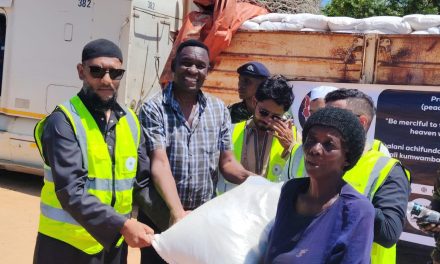
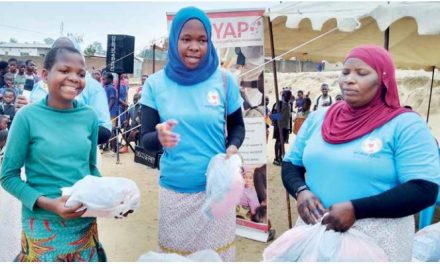
For those with enough, now is a time to give—not only Zakat but also small acts of Sadaqah. Sharing a meal, covering a neighbor’s transport fare, or helping a struggling small trader is more than charity—it’s economic resistance against social collapse.
Collective Solutions: Beyond the Individual
While personal responsibility is key, systemic answers are needed too. Faith leaders, mosques, and Islamic organizations must promote rotating savings groups (chamas), food cooperatives, and zakat funds to protect the most vulnerable. When a crisis becomes communal, so must the solution.
The Prophet (peace be upon him) once said:
“The best of people are those who are most beneficial to others.” (Daraqutni)
Let this moment call us to that benefit—not just with money, but with wisdom, sharing, and simplicity.
Malawi is hurting. But faith teaches us that hardship is not permanent, and neither is poverty shameful. What matters is how we respond—with dignity, discipline, and solidarity.
In the fire of economic strain, may we find not just struggle, but strength—and the kind of faith that carries us through.