


Malawi’s Healthcare Challenge: A Shortage of Specialists.
By Hajira Halilu, Administration and Communications Officer, IHAM
Malawi continues to face significant challenges in its healthcare system, particularly in the area of specialized medical care. Dr. Wanangwa Collins Chisenga, Chief Urologist and Head of Surgery at Zomba Central Hospital, has called for greater investment in specialized surgical training and infrastructure, citing a severe shortage of qualified professionals as a key barrier to equitable healthcare access.
Speaking during a week-long urology and general surgery outreach camp organized by the Islamic Health Association of Malawi (IHAM), in collaboration with Physicians Across Continents and the Ministry of Health, Dr. Chisenga shed light on the stark reality confronting the healthcare system.
“Zomba Central Hospital serves the southern, eastern, and parts of the central region of the country. Yet, we have only one specialized urologist based here—myself—and two others in Lilongwe. That brings the total to just three urology specialists in the entire country,” he explained. “Given the growing population and rising demand for surgical care, this number is alarmingly low.”
The shortage means patients often face long waiting periods, particularly for non-emergency procedures. According to Dr. Chisenga, trauma-related emergencies, many stemming from road accidents, are given priority. As a result, patients needing elective or chronic surgical care are frequently left unattended for extended periods.
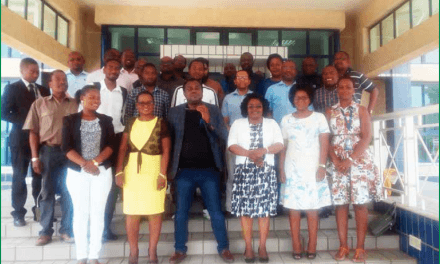
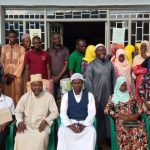
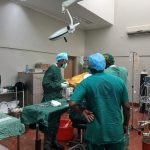
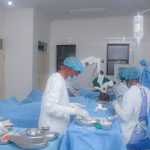
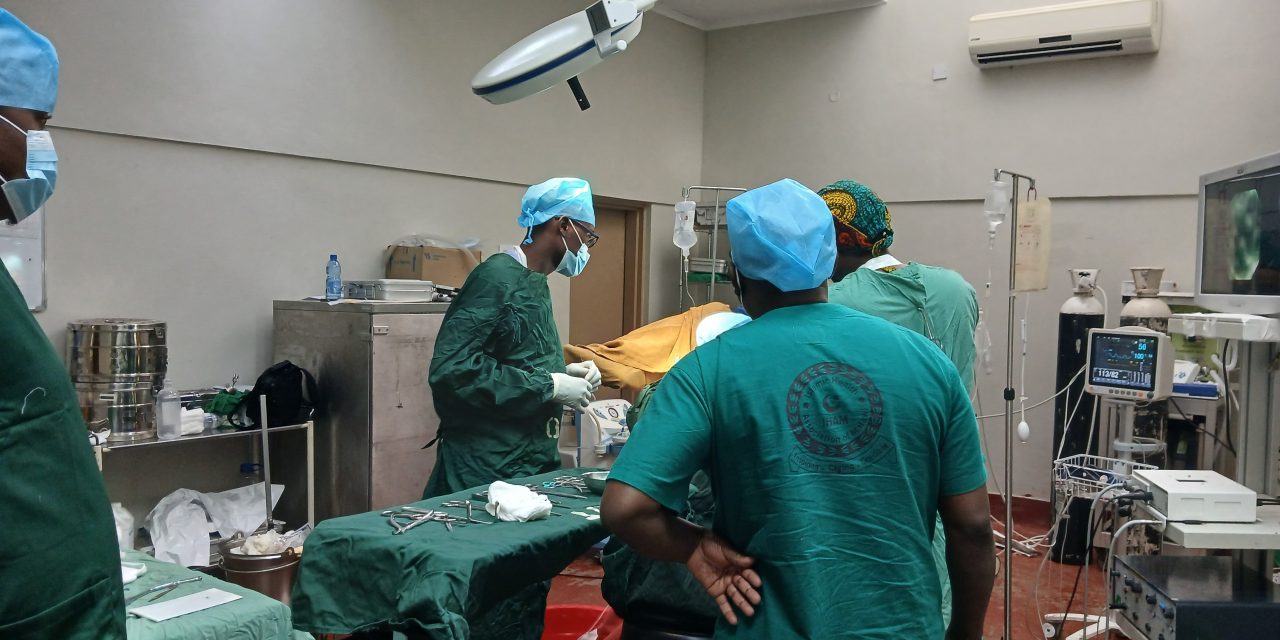
The surgical camp, hosted at Zomba Central Hospital, brought together a diverse team of local and international specialists who provided free surgical services to over 130 patients. The initiative was lauded for not only offering immediate relief to patients but also demonstrating the potential impact of collaborative healthcare delivery models.
Among the visiting specialists was Dr. Jamal Harisha, a UK-based consultant surgeon. He expressed appreciation for the partnership with IHAM and praised the dedication of the hospital’s local staff.
“While we were able to bring in expertise, equipment, and supplies, the real story is the commitment shown by the staff here,” Dr. Harisha said. “Despite being overstretched, they welcomed us with open arms and worked tirelessly to support the camp.”
He echoed Dr. Chisenga’s sentiments on the need for long-term solutions, emphasizing the importance of investing in advanced medical training programs locally. “The sustainability of healthcare improvement depends on building capacity within the country,” he added.
IHAM’s Executive Director, Hajj Daitoni, noted that the organization has been organizing surgical camps for several years in response to the evident gaps in specialist care. With nearly 20 camps successfully conducted to date, IHAM continues to make strategic efforts to bridge the healthcare divide.
“The success of our camps is rooted in strong partnerships—with international medical teams, the Ministry of Health, and local hospitals,” Daitoni explained. “Our long-term goal is to support the development of specialized training opportunities within Malawi. We invite all stakeholders to join us in turning this vision into reality.”
As Malawi strives to strengthen its healthcare system, initiatives like these highlights both the challenges and the possibilities. With continued collaboration, investment in local capacity, and strategic support, the country can move closer to providing accessible, high-quality healthcare for all.