
















Rethinking GBV: Cyberbullying, Silence, and the Invisible Victims
By Osman Bwanali & Abdullah Bamusi Nankumba
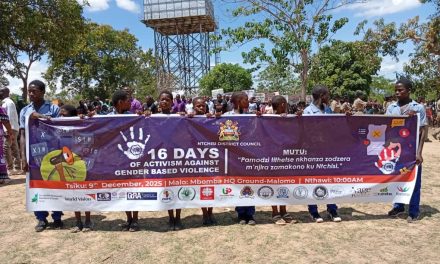
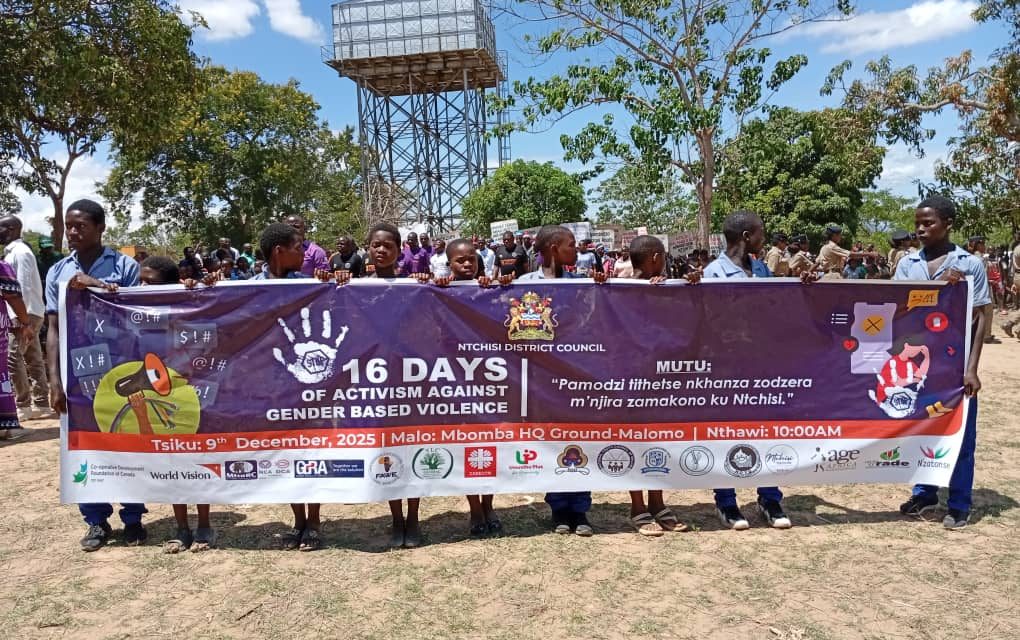
As Malawi concludes this year’s 16 Days of Activism Against Gender-Based Violence, attention has largely focused on the continued victimisation of women and girls—particularly through cyberbullying. While this concern remains valid and urgent, the campaign has once again exposed a deeper challenge: the national conversation on GBV remains narrowly framed, leaving boys and men who suffer abuse, trauma, and depression largely invisible.
During the campaign period from 25 November to 10 December, authorities recorded a rise in cyberbullying cases, most of them affecting women and girls. Complaints included non-consensual sharing of private information, threatening messages, and public humiliation on social media platforms. The Ministry of Gender, Community Development and Social Welfare described cyberbullying as one of the most under-reported forms of violence, citing fear of stigma, retaliation, and limited awareness of legal protections.
Police confirmed receiving several reports during the campaign but admitted that the true number of cases is likely far higher. Investigating online abuse remains difficult due to anonymous offenders and limited technical capacity. The Malawi Communications Regulatory Authority (MACRA) reiterated that the Electronic Transactions and Cyber Security Act criminalises online harassment, urging citizens to report abuse and familiarise themselves with the law.
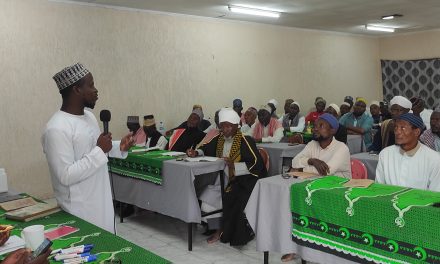
Civil society organisations complemented these efforts through workshops and community sensitisation programmes, particularly targeting youth and school-going children. However, stakeholders noted that coordination gaps, weak reporting mechanisms, and limited victim support services continue to undermine effective responses.
While data shows that women and girls remain disproportionately affected—often by former partners or known individuals—the singular focus on female victims has unintentionally created another form of silence. For more than a decade, GBV messaging has shaped a public perception that violence only “counts” when the victim is a woman. As a result, boys and men experiencing abuse are rarely acknowledged.
Cases of young boys being sexually abused are frequently dismissed or treated lightly. Unlike girl-child survivors, boys are often told to “man up,” leaving their trauma unaddressed. This silence has consequences. Unhealed trauma can manifest later as aggression, substance abuse, mental illness, or the repetition of violence.
Married men also face emotional, psychological, financial, and sometimes physical abuse, yet reporting remains socially risky. Many fear ridicule, disbelief, or institutional neglect. The stereotype that men must always be strong has contributed to rising cases of untreated depression, broken families, and, in extreme cases, suicide.
Experts argue that expanding the GBV narrative does not undermine advocacy for women and girls—it strengthens it. Violence is not a gendered experience; it is a human one. A system that protects one group while ignoring another remains incomplete.
As the 16 Days of Activism end, stakeholders are urging a shift from a one-directional narrative to an inclusive framework—one that protects women without erasing men, amplifies girls’ voices without silencing boys, and recognises mental health as a critical GBV issue.
Cyberbullying, like all forms of abuse, does not end with campaigns. Addressing it requires sustained education, enforcement, and a willingness to confront uncomfortable truths. Real progress will only come when every victim—regardless of gender—is seen, heard, and supported.