











Faith, Finance and Family: Preparing For Qurban.

As June brings the blessed days of Dhul Hijjah, Muslim families across Malawi are preparing their hearts — and their finances — for Eidul Adhuha. Qurban, the act of sacrificing an animal in devotion to Allah, is both a spiritual obligation and a practical financial responsibility. In this edition of Insight Takaful, we reflect on how Malawian Muslim families can plan for Qurban in a way that brings both barakah and balance to the home.
Qurban: A Family Responsibility
For many families, Qurban is more than a religious ritual — it’s a time of unity, sharing, and teaching children the values of sacrifice, obedience, and compassion. But it also requires budgeting, especially for households already balancing essentials like school fees, groceries, and utility bills.
In Malawi, the cost of a goat or a share in a cow can range from MWK 80,000 to MWK 200,000, depending on location and market demand. With these figures in mind, planning ahead becomes essential — particularly for breadwinners and caregivers.
Saving with Intention and Discipline
Planning for Qurban starts with commitment — and that means saving with purpose. Whether you aim to sacrifice a goat or contribute a share in a cow, setting aside money early in the year makes the process much more manageable.
A simple breakdown can help: saving MWK 10,000 to 15,000 monthly from January to June can cover most Qurban options without straining your household budget. Keep your savings in a safe place — ideally in a secure, Shariah-compliant savings account or an envelope specifically marked for Qurban.
Avoid using this fund for daily expenses, and treat it as an amanah (trust) between you and Allah. This practice not only eases financial pressure but also strengthens your niyyah (intention) and readiness to fulfil this sacred obligation.
This is not just financial planning — it’s a meaningful family teaching moment.
Using Takaful to Support Family Faith Goals
Takaful — based on mutual help and Shariah-compliant principles — offers a way for families to plan their finances with purpose. Whether it’s through family takaful, savings plans, or education-focused products, Islamic finance encourages preparing for both life’s needs and religious duties like Qurban.
Local Giving and Community Impact
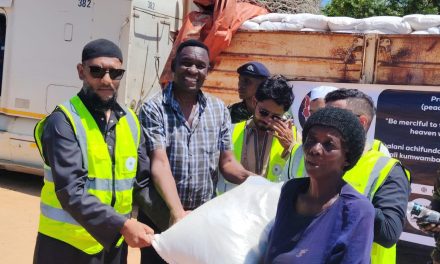
While international Qurban donations are important, many Malawian families are focusing on local impact. Sharing meat with neighbours, relatives, or nearby villages strengthens bonds and ensures that those close to us — the elderly, widows, orphans — feel the joy of Eid.
This year, consider:
- Donating one-third of your Qurban meat to a struggling family in your masjid community.
- Encouraging your children to help with distribution — teaching them empathy and gratitude.
Practical Reminders for This Year’s Qurban
- Buy early: Livestock prices rise closer to Eid — early buyers often save more.
- Verify Shariah compliance: Ensure the animal is healthy, of age, and slaughtered properly.
- Plan transport and storage: Especially if you’re distributing in rural areas or storing meat for later use.
Barakah Begins at Home
Eidul Adhuha is a time of remembrance — of Prophet Ibrahim’s (AS) unwavering obedience and the mercy of Allah. But it’s also a time to show leadership within the family, especially in finances. When we plan our Qurban with care, discipline, and faith, we’re not just fulfilling a duty — we’re nurturing a home rooted in Islamic values.
Qurban, the act of sacrificing an animal in devotion to Allah, is both a spiritual obligation and a practical financial responsibility. In this edition of Insight Takaful, we reflect on how Malawian Muslim families can plan for Qurban in a way that brings both barakah and balance to the home.
Qurban: A Family Responsibility
For many families, Qurban is more than a religious ritual — it’s a time of unity, sharing, and teaching children the values of sacrifice, obedience, and compassion. But it also requires budgeting, especially for households already balancing essentials like school fees, groceries, and utility bills.
In Malawi, the cost of a goat or a share in a cow can range from MWK 80,000 to MWK 200,000, depending on location and market demand. With these figures in mind, planning ahead becomes essential — particularly for breadwinners and caregivers.
Saving with Intention and Discipline
Planning for Qurban starts with commitment — and that means saving with purpose. Whether you aim to sacrifice a goat or contribute a share in a cow, setting aside money early in the year makes the process much more manageable.
A simple breakdown can help: saving MWK 10,000 to 15,000 monthly from January to June can cover most Qurban options without straining your household budget. Keep your savings in a safe place — ideally in a secure, Shariah-compliant savings account or an envelope specifically marked for Qurban.
Avoid using this fund for daily expenses, and treat it as an amanah (trust) between you and Allah. This practice not only eases financial pressure but also strengthens your niyyah (intention) and readiness to fulfil this sacred obligation.
This is not just financial planning — it’s a meaningful family teaching moment.
Using Takaful to Support Family Faith Goals
Takaful — based on mutual help and Shariah-compliant principles — offers a way for families to plan their finances with purpose. Whether it’s through family takaful, savings plans, or education-focused products, Islamic finance encourages preparing for both life’s needs and religious duties like Qurban.
Local Giving and Community Impact
While international Qurban donations are important, many Malawian families are focusing on local impact. Sharing meat with neighbours, relatives, or nearby villages strengthens bonds and ensures that those close to us — the elderly, widows, orphans — feel the joy of Eid.
This year, consider:
- Donating one-third of your Qurban meat to a struggling family in your masjid community.
- Encouraging your children to help with distribution — teaching them empathy and gratitude.
Practical Reminders for This Year’s Qurban
- Buy early: Livestock prices rise closer to Eid — early buyers often save more.
- Verify Shariah compliance: Ensure the animal is healthy, of age, and slaughtered properly.
- Plan transport and storage: Especially if you’re distributing in rural areas or storing meat for later use.
Barakah Begins at Home
Eidul Adhuha is a time of remembrance — of Prophet Ibrahim’s (AS) unwavering obedience and the mercy of Allah. But it’s also a time to show leadership within the family, especially in finances. When we plan our Qurban with care, discipline, and faith, we’re not just fulfilling a duty — we’re nurturing a home rooted in Islamic values.